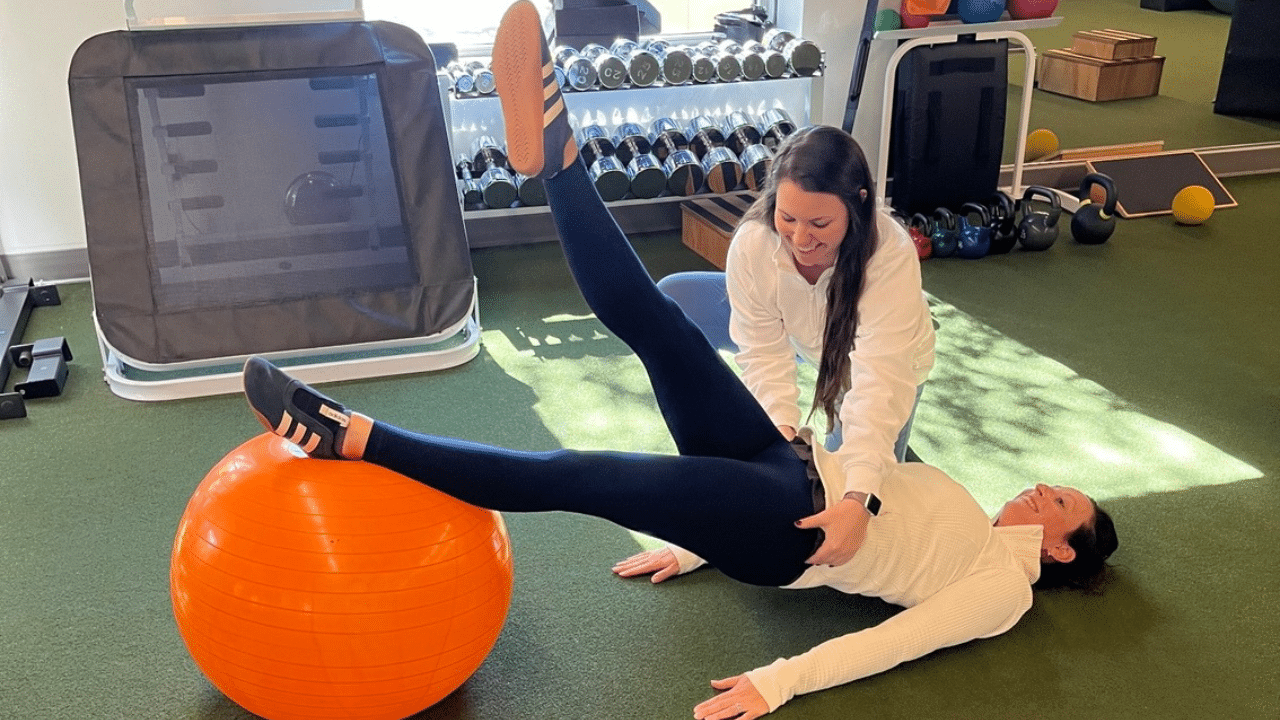
Lisa Busfield and Kelly Angelucci, PT, DPT, during Lisa’s recovery through Physical Therapy at St. Luke’s Performing Arts Medicine program.
For Lisa Busfield, dance is more than movement. It is a career, a creative outlet, and a way of connecting with students every day. As the Artistic Director of the Dance Program at Moravian University, Lisa spends her time teaching, choreographing, mentoring young artists, and helping them discover their own voices through dance.
But after an unexpected fall resulted in a broken ankle that required surgery with a plate and screws, Lisa faced a challenge unlike any she had encountered before.
When an Injury Impacts More Than Movement
For dancers, movement is part of daily life. Following her injury, Lisa suddenly found herself unable to move, teach, and demonstrate the way she had always done.
“Not being able to move the way I normally would was challenging, both physically and mentally,” Lisa recalled. “I had to learn to be patient with myself and find new ways to teach while recovering.”
The recovery process forced her to slow down, but it also gave her a deeper appreciation for what the body is capable of achieving through healing and rehabilitation.
A Specialized Approach to Recovery
Lisa began working with Kelly Angelucci, PT, DPT through the Performing Arts Medicine program at Physical Therapy at St. Luke’s. From the start, treatment focused on more than simply recovering from surgery. The goal was to help Lisa return to teaching and dancing at the highest level possible.
Unlike a traditional orthopedic rehabilitation program, Performing Arts Medicine considers the unique demands placed on dancers and performing artists. Kelly evaluated not only Lisa’s strength and mobility, but also the specific movements required for dance instruction and performance, including balance, proprioception, turnout, pliés, relevés, and other dance-specific skills.
“Knowing Lisa is a dancer and that her goal was to get back to teaching and dancing guided every aspect of her treatment plan,” Kelly explained.
Rebuilding Strength and Confidence
Recovery involved more than restoring movement. Lisa had to relearn how to trust her body.
“For me, it was about taking things one step at a time and learning to trust my body again,” she said. “I had to work on regaining not only my strength and mobility, but also the sensations and awareness that help me understand where my body is in space.”
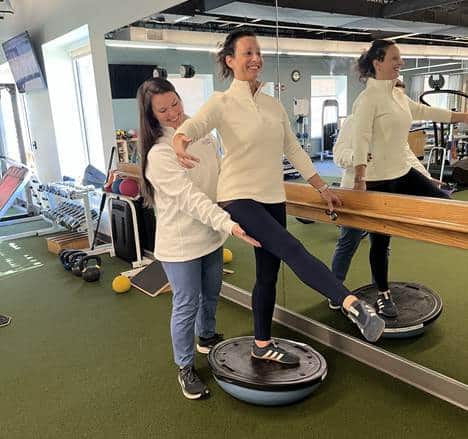
Throughout rehabilitation, Kelly and Lisa worked together to improve ankle mobility, strengthen the lower body and core, restore sensation, and gradually reintroduce dance-specific activities. As her recovery progressed, treatment expanded to include balance training, plyometrics, landing mechanics, agility drills, and movement patterns commonly required in dance.
Celebrating the Small Wins
Like many recovery journeys, progress came one milestone at a time.
One achievement that stood out was Lisa’s first successful relevé, or heel raise, after surgery. Later, returning to jumping became another significant accomplishment. These moments represented more than physical gains. They were reminders that she was moving closer to the studio and the art form she loves.
Another memorable moment came when sensation began returning to her foot.
“Being able to notice those changes and feel my sensation and nerve feeling returning was really exciting,” Lisa said. “It made me realize the progress I was making and gave me hope and motivation throughout my recovery.”
Advice for Other Dancers
Lisa understands how difficult it can be for dancers and performing artists to face an injury that limits their ability to perform.
“I would remind dancers that it’s okay to slow down and give yourself time to heal,” she said. “Celebrate the small wins and listen to your body.”
Kelly emphasizes that finding healthcare providers who understand the demands of dance can make a meaningful difference in recovery outcomes. Specialized care allows therapists to address the unique physical, technical, and artistic requirements of performing artists, helping them return to their craft safely and confidently.
Returning to What She Loves
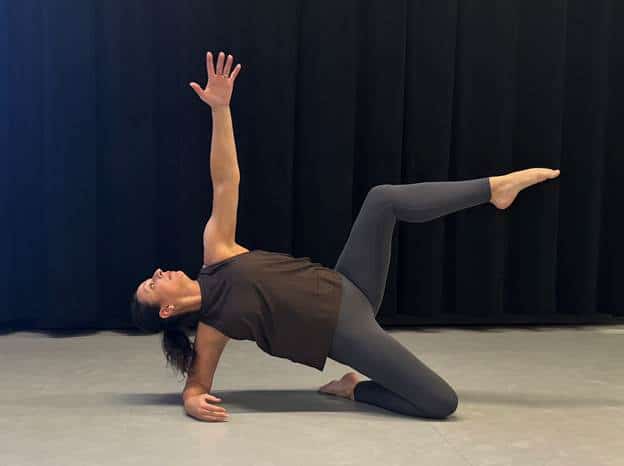
For Kelly, helping dancers recover is more than treating an injury.
“For many artists, dance is not just a hobby. It’s something they cannot live without,” she said. “While I am rehabbing an injury, I also feel like I am bringing the dancer back to the reasons they fell in love with the art form.”
Today, Lisa continues to build on her progress while doing what she loves most: teaching, creating, and inspiring the next generation of dancers. Her journey serves as a reminder that recovery is not just about healing an injury, but about returning to the activities that give life meaning.
As Maya Angelou said, a quote that resonated deeply with Lisa throughout her recovery:
“If you can’t change it, change the way you think about it.”
Our Team is Here to Help!
Whether you’re a dancer, musician, actor, or other performing artist, the Performing Arts Medicine program at Physical Therapy at St. Luke’s provides specialized rehabilitation designed to help you recover from injury and return to doing what you love.
Learn more about how our team can help you perform your best or schedule today!